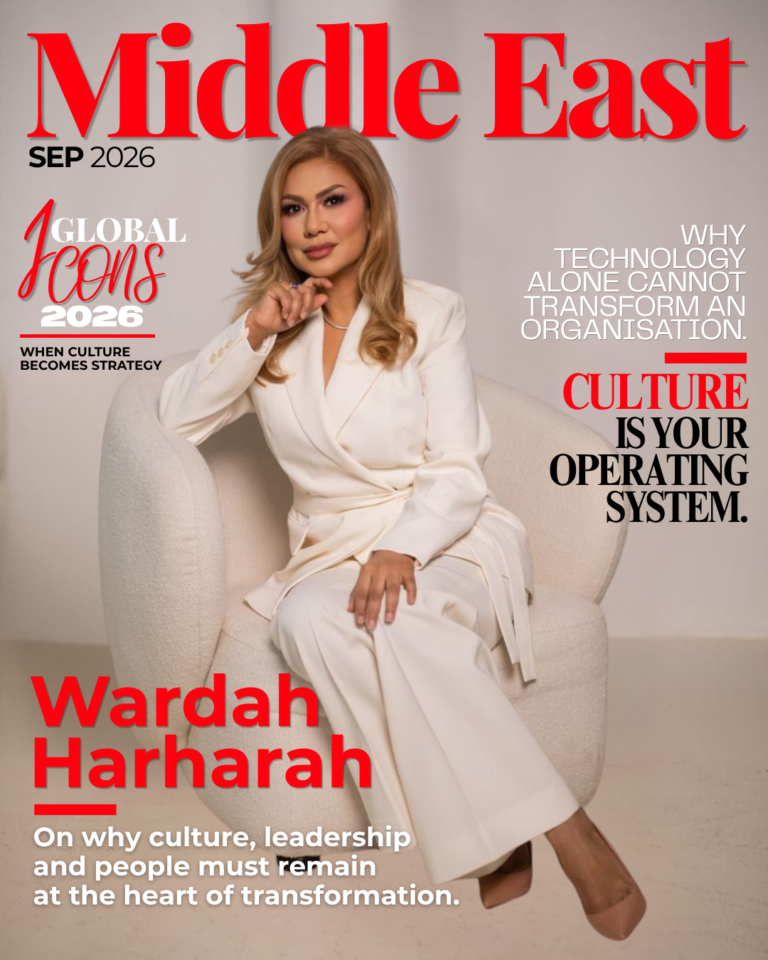
Artificial intelligence is dominating the business conversation. Organisations are investing heavily in technology, redesigning operating models and looking for faster ways to improve productivity and performance.
The excitement is real, and so is the opportunity. But Wardah believes there is another side to the conversation that deserves equal attention: as organisations become increasingly technology-enabled, they must be careful not to lose sight of the human experience.
“AI is exciting because we can see the possibilities very quickly,” says Harharah, Founder and CEO of The Human Experience Management Consultancy. “Culture is harder. It is harder to quantify, it takes longer to change, and we cannot simply flip a switch on a given date and expect everyone to suddenly think, act, feel and behave in ways that reflect the organisation’s values.”
The danger, she argues, is that the pace of transformation creates an expectation that everything should change at the same speed.
Technology can have a go-live date. People do not.
“Culture transformation is not a sprint; it is a marathon. Like any marathon, it takes time, patience, tenacity and consistency. Sometimes, in our urgency to transform, we underestimate that.”
When Values Meet Reality
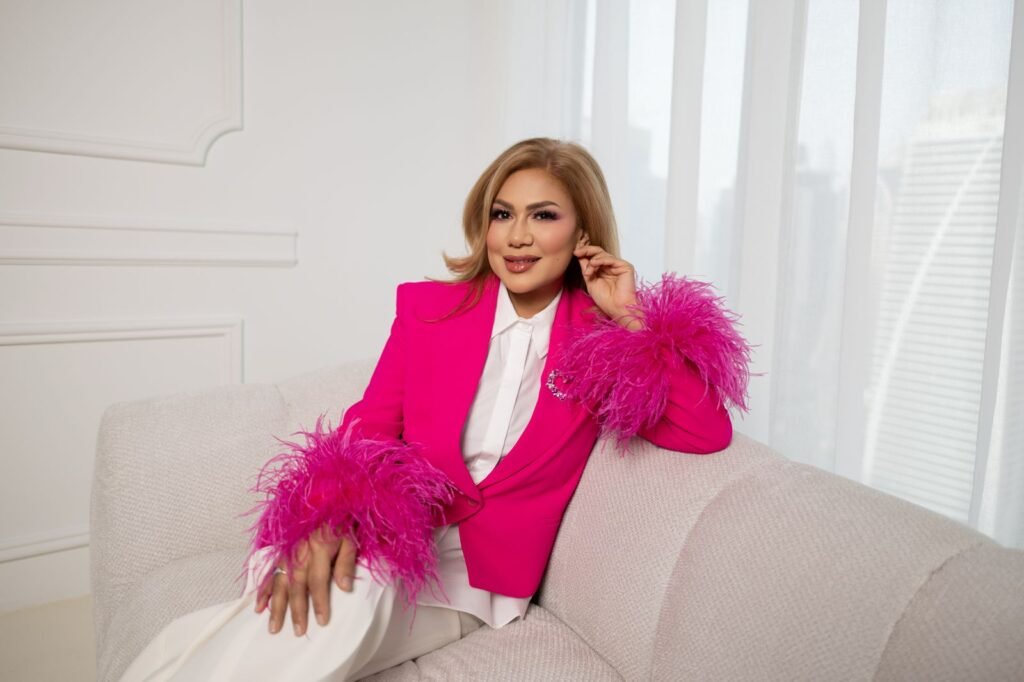
Harharah’s view of culture has been shaped by more than two decades working across aviation, technology and luxury retail before founding The Human Experience Management Consultancy.
When Harharah was at Etihad Airways, the organisation was undergoing a significant brand transformation, with a strong emphasis on excellence and continuous improvement. It created an opportunity for her to think differently about how those ambitions could be translated into the everyday employee experience.
“I remember thinking, why are we waiting for a performance review to tell somebody how they are doing? If I see you doing something brilliantly today, why would I wait six months to recognise it? And if something needs to change, why would I wait six months to have that conversation? Learning cannot be something we schedule twice a year.”
Harharah designed and launched a culture ambassador programme, beginning with around 20 culture ambassadors and eventually growing to around 200. Most importantly, the programme empowered non-managerial employees with the skills and responsibility to support the development of their colleagues in the flow of everyday work, not only in performance, but in the behaviours that shaped the employee and guest experience.
Learning and feedback were no longer something that came only from a manager; they became something employees could actively create for one another.
“That is culture activation in the moment. If you say learning and progression matter, show me where they live in the organisation. Where does an employee actually experience those values? If they only exist in a presentation, they are aspirations. They become culture when they show up in how the organisation actually works.”
For Harharah, the same principle applies regardless of industry. Her subsequent experience with post-acquisition integration at Airbnb Luxury Retreats and employee and client experience at Louis Vuitton in Asia-Pacific reinforced the same lesson: culture becomes real when organisational ambition is translated into the systems, behaviours and everyday experiences of work.
“When you work across industries, you realise no industry has all the answers. You build this library in your head of different ways of doing things and start asking: why should good practice stay inside one industry?”
Culture Is Your Operating System
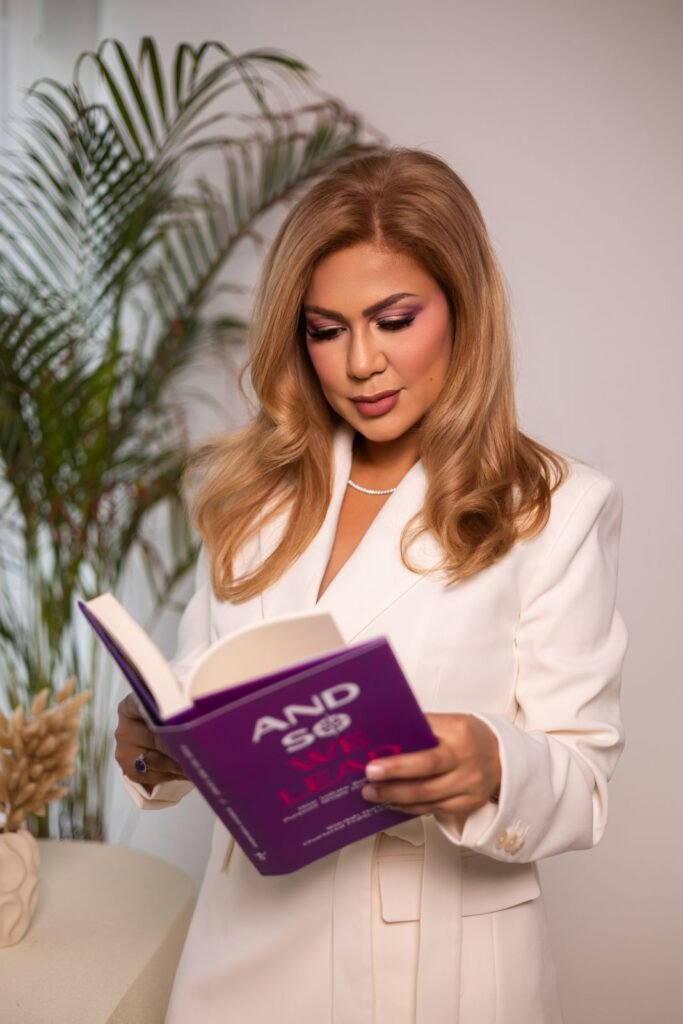
This is why Harharah is cautious when organisations confuse culture activity with culture transformation.
“I can run town halls, launch values, put posters in every lift, create culture ambassadors and send every leader on a workshop. But if I come back on Monday morning and the same leader is still shutting people down, decisions still take three weeks, functions are still fighting with each other and nobody wants to take a risk, what exactly have we transformed?”
For Harharah, culture and organisational design are inseparable.
If an organisation wants empowerment, who actually has the authority to make decisions? If it wants collaboration, how are people measured and rewarded? If it wants innovation, what happens when someone experiments and fails?
“You cannot ask for one behaviour and design an organisation that produces another. The system will win every time.”
Every organisation, she says, can point to its values. The more revealing questions are what happens afterwards: Who gets promoted? What gets rewarded? How are decisions made? What happens when someone challenges a leader or gets something wrong?
Those repeated signals tell employees what an organisation really values.
Start With Where the Business Is Going
When Harharah begins a culture conversation, she does not start by asking an organisation what it wants its values to be.
She starts with: “Tell me where the business is going.”
If the strategy requires greater innovation, collaboration, growth or a different customer experience, what behaviours will be required to deliver it?
“Then I want to know what in the organisation is helping those behaviours and what is getting in the way. Sometimes the uncomfortable answer is leadership. Sometimes it is structure. Sometimes it is incentives. Sometimes it is a decision-making process that made perfect sense ten years ago.”
This is why Harharah describes culture as part of an organisation’s operating system.
“The culture that got you here is not necessarily wrong. It got you here. Respect that. But it may not be the culture that gets you where you want to go next.”
The task is to determine what needs to be protected, what needs to change and what needs to be created and then ensure the organisation reinforces those choices consistently.
“Culture is built in the small moments. Who gets promoted. What gets rewarded. What leaders tolerate. How they react when someone challenges them. What happens when someone makes a mistake. People are watching those moments all the time.”
Why Culture Belongs on the CEO Agenda
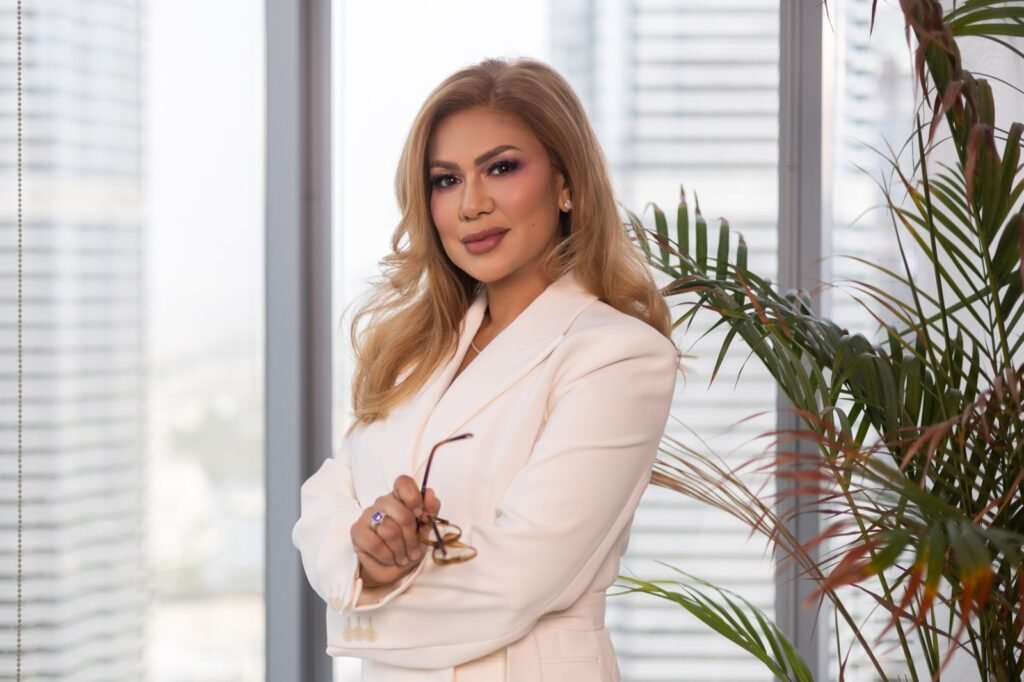
For Harharah, AI makes this conversation more urgent, not less.
“You can buy the technology. You can implement the platform. But you cannot download trust. You cannot automate courage. And you cannot install collaboration.”
Technology may enable faster decisions, but hierarchy can still slow them down. AI can create opportunities to experiment, but a culture that punishes failure can stop people from trying. An operating model can encourage collaboration while leaders continue protecting their own territories.
This, Harharah believes, is where culture is at risk: not because organisations no longer believe it matters, but because the slower, harder work of changing how organisations operate can become overshadowed by the urgency to transform.
“If the culture you need requires different decisions, different structures, different measures of performance and different leadership behaviour, HR cannot do that alone. That is an organisational agenda. And ultimately, it is a CEO agenda.”
For leaders, the question is not simply whether they have the right strategy or technology. It is:
Does the organisation we have built actually enable our people to behave in the way our future strategy requires?
Because, as Harharah puts it:
“Transformation does not happen because we changed the strategy. It happens when people start doing things differently.”