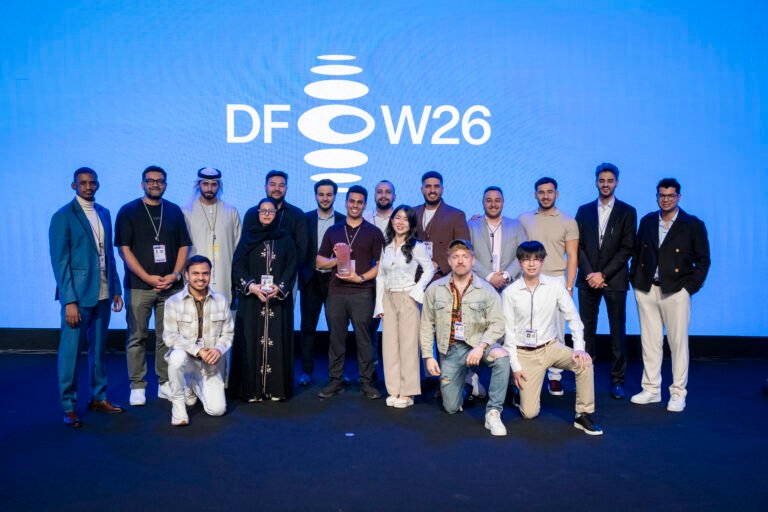
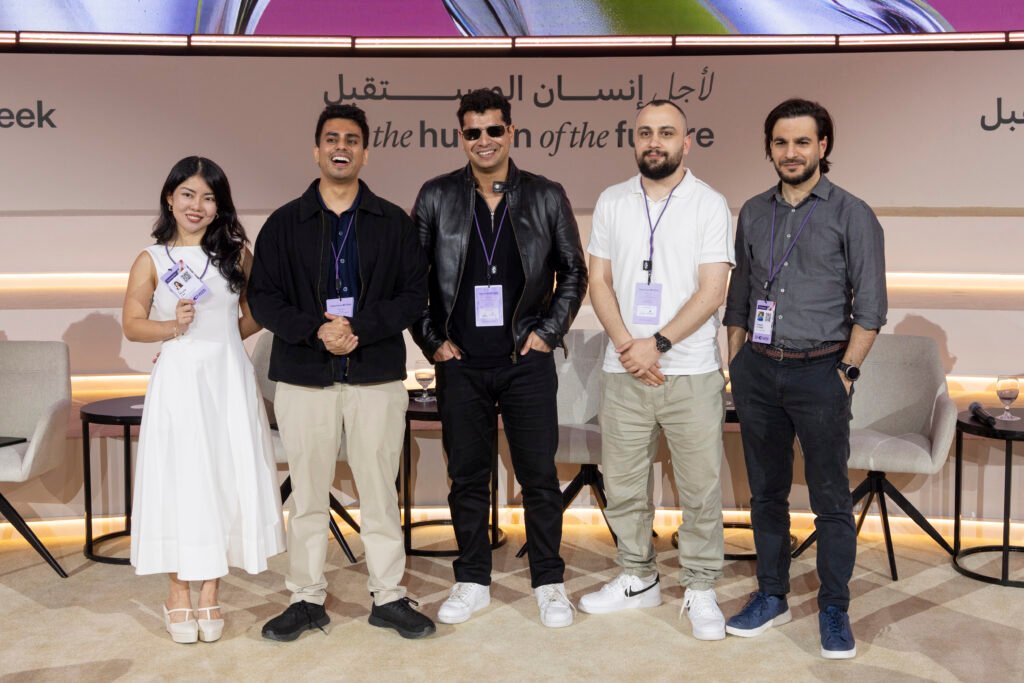
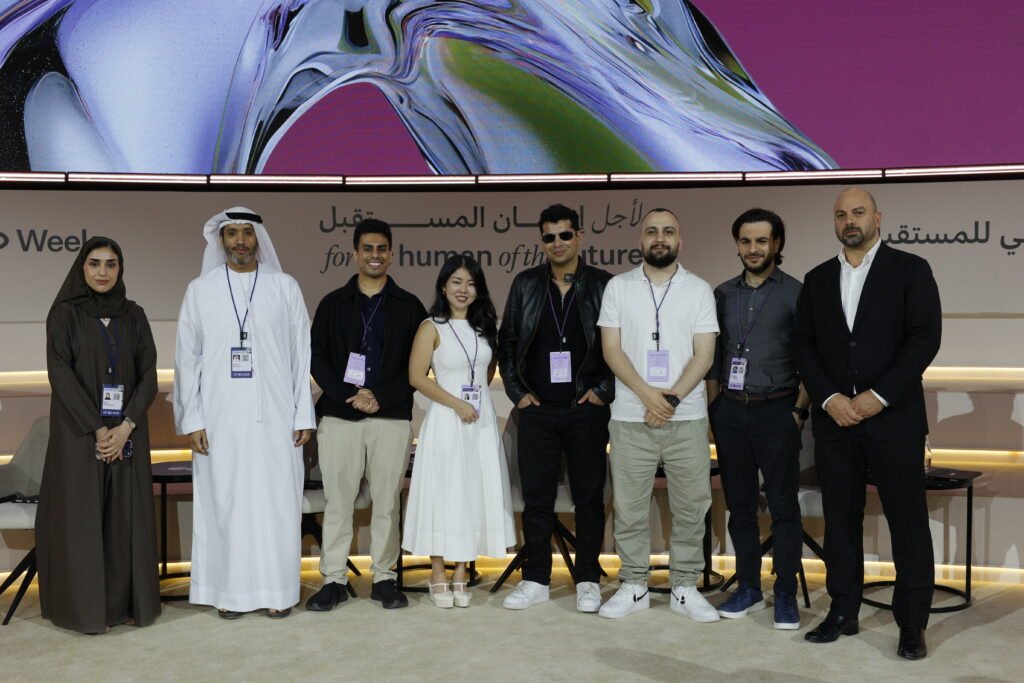
Dubai, November 23, 2026 — In a competition where imagination met technology and creativity was tested against the clock, Indian AI creator and educator Ayushman Pandita secured an impressive place among the top five finalists at Dubai’s AI Grandmaster 2026. Representing India as the only finalist from the country, Pandita competed against AI practitioners from more than 10 nations, demonstrating his creative and technical capabilities on an international platform.
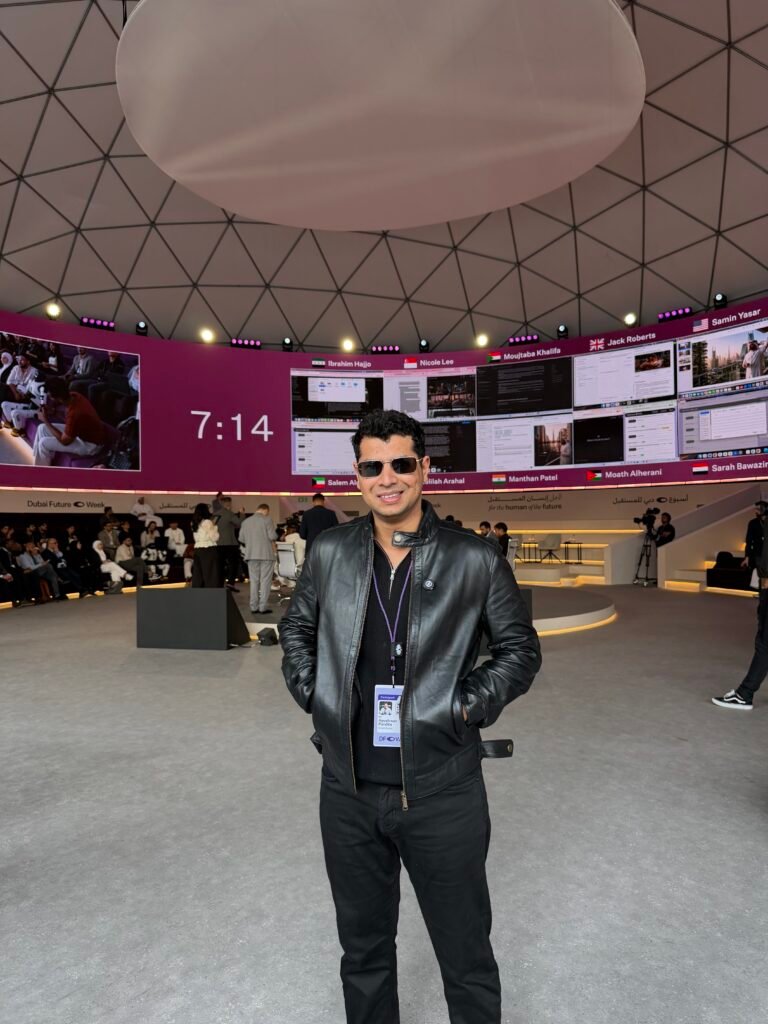
Organised by the Dubai Future Foundation as part of Dubai Future Week, AI Grandmaster 2026 brought together 20 selected participants for a series of live artificial intelligence challenges. Held on November 18 at the Challenge Dome, Emirates Towers, the competition featured a grand prize of AED 1 million and challenged participants to transform ambitious ideas into working digital projects using AI tools.
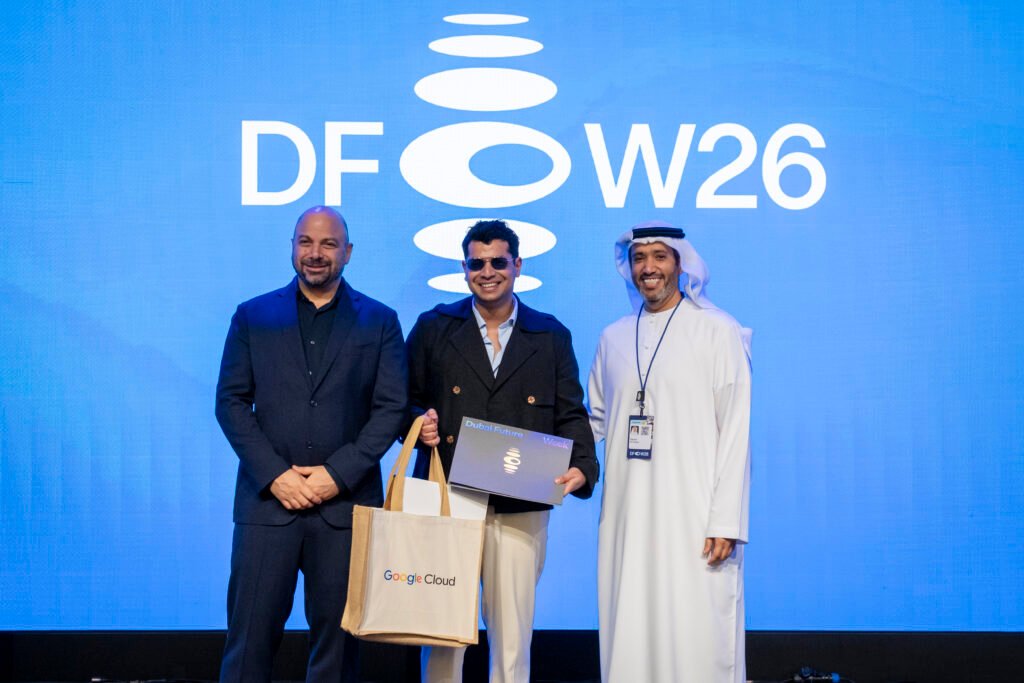
For Pandita, whose combined audience across YouTube and Instagram approaches two million followers, reaching the final represented a significant achievement beyond the competition itself. It placed an Indian digital creator among an international group of AI practitioners and highlighted the growing opportunities for Indian talent in the rapidly evolving artificial intelligence industry.
A Global Competition Built Around the Future
The competition’s central theme, Dubai in 1971 and Dubai in 2071, challenged participants to explore the city’s transformation through technology, storytelling and imagination.
Across four timed stages, contestants were required to develop increasingly complex projects, moving from AI-generated imagery to video production, interactive gaming and website development. Each round tested their ability to think creatively, work efficiently and solve technical problems under live competition conditions.
The opening challenge focused on visual storytelling. Participants were asked to create four AI-generated images depicting the life of an 11-year-old boy growing up in Dubai in 1971. The task required them to interpret the city’s earlier identity through a fictional character and a series of visual compositions.
Pandita successfully navigated the opening stage before moving into a more demanding creative challenge.
When Technology Tested His Resilience
The second round required contestants to produce a 90-second time-travel video connecting Dubai’s past with its imagined future.
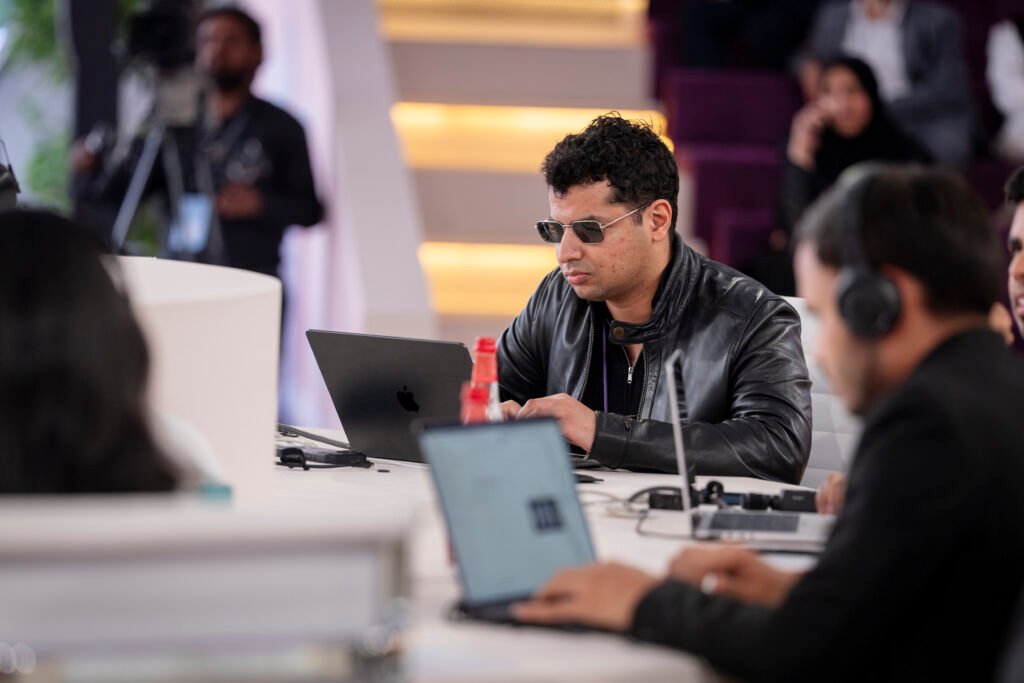
It was here that Pandita encountered one of the competition’s most unexpected moments. While his screen was being displayed live, his AI credits ran out midway through production. With the project still incomplete and the clock running, he faced the possibility of losing valuable time and falling behind the other participants.
Rather than giving up, he quickly arranged a new subscription by purchasing additional credits on the spot. The interruption cost him approximately 10 minutes, creating additional pressure during an already demanding round.
Despite the setback, Pandita completed his video.
His storyline followed the original character’s great-grandson arriving in a time machine, bringing together elements of Dubai’s traditional culture and imaginative futuristic experiences. Traditional games appeared alongside concepts such as anti-gravity chocolate and GTA 10, creating an unconventional interpretation of life across generations.
The finished video was subsequently showcased on the main screen by the organisers as the best video of the round.
The moment became a defining part of his competition journey, demonstrating not only creative thinking but also the ability to respond quickly when technology did not go according to plan.
From Storytelling to Building an AI-Powered Racing Experience
The third challenge brought a new dimension to the competition. With 10 contestants remaining, participants were tasked with developing a three-lap racing game inspired by Dubai’s evolution.
Pandita created a game that moved through three distinct periods of the city’s identity.
The first lap featured a camel race through old Dubai, reflecting its traditional heritage. The second introduced a Ferrari racing through contemporary Dubai, capturing the city’s modern identity. The final lap transported players into 2071, featuring a futuristic vehicle in an imagined vision of the city’s future.
The challenge required participants to combine game development, visual concepts and AI-assisted production into a functional experience within a limited timeframe.
Successfully completing the task, Pandita advanced to the final five, securing his place among the competition’s leading participants.
Reaching the Final Five
The final stage brought together five contestants for the competition’s concluding challenge. Each finalist was required to build a website featuring a talking AI avatar of the character developed throughout the earlier rounds.
The task brought together several creative and technical disciplines, including website development, AI-generated characters and interactive digital experiences.
After the final presentations, Samin, representing the United States, was announced as the winner of the AED 1 million prize. Pandita finished among the five finalists and received a laptop in recognition of his achievement.
Although he did not take home the grand prize, his performance secured a notable distinction: he was the only Indian to reach the final stage of the international competition.
Representing India’s Next Generation of AI Creators
With nearly two million followers across YouTube and Instagram, Ayushman Pandita has built a substantial digital presence through AI creation and education. His participation in Dubai’s AI Grandmaster 2026 demonstrates how the influence of independent creators is extending beyond social media into international technology competitions.
Artificial intelligence is rapidly changing the way people create, communicate and interact with digital content. What once required specialised production teams and extensive technical resources can increasingly be explored through accessible AI-powered tools.
However, the competition demonstrated that access to technology is only one part of the equation. The ability to develop an original concept, select the right tools, execute an idea and adapt to unexpected challenges remains essential.
Pandita’s performance reflected this combination. Across the different rounds, he moved between visual storytelling, video creation, interactive gaming and website development, demonstrating the versatility required in today’s expanding AI landscape.
His achievement also carries wider significance for India’s creator ecosystem, where educators, developers and independent digital innovators are increasingly exploring opportunities to participate in global conversations around emerging technology.
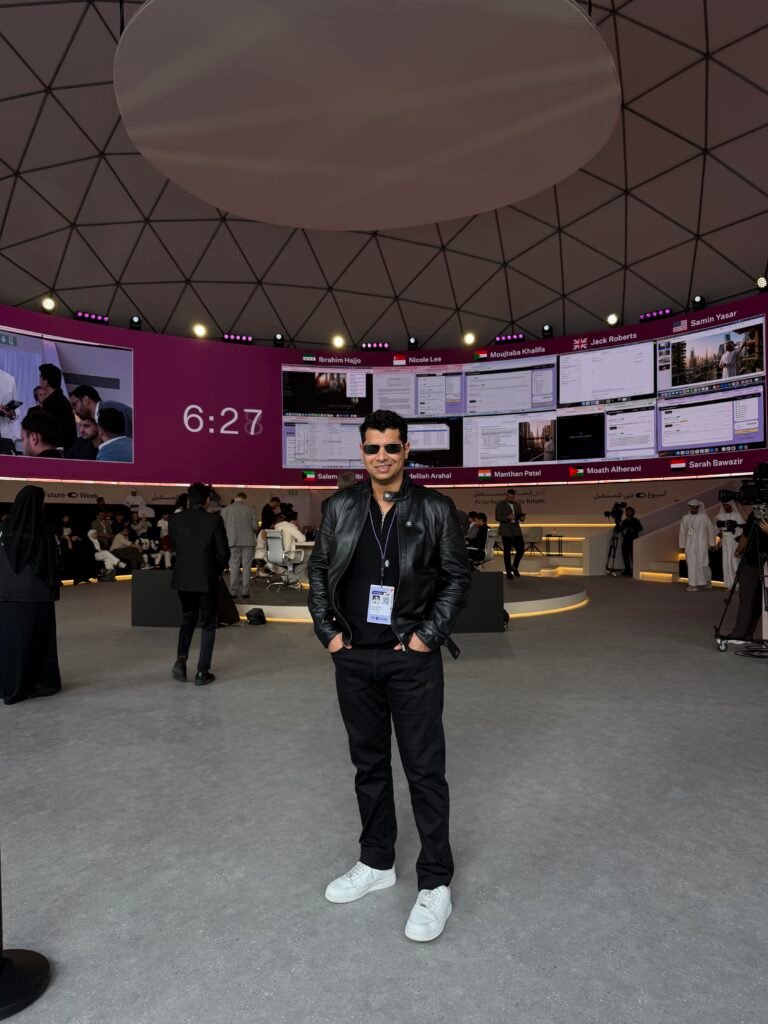
A Moment of Pride and a New Milestone
Reflecting on his experience, Pandita described the competition as an unforgettable moment in his journey, particularly because of the technical setback that threatened his progress.
“When my AI credits ran out mid-round, with my screen live in front of everyone, I honestly thought my run was over,” he said. “Getting through that and still reaching the final, as the only Indian there, is something I’ll never forget. Representing India on a global AI stage showed me that our creators and builders can compete with the best in the world.”
His words capture the significance of the experience: not simply reaching a competition final, but demonstrating that Indian creators can participate and perform alongside international talent in an increasingly competitive technology landscape.
Looking Ahead: Creativity in the Age of AI
AI Grandmaster 2026 offered more than a contest for a substantial prize. It provided a platform to explore how artificial intelligence can bring together imagination, technical knowledge and practical execution.
From recreating the atmosphere of Dubai in 1971 to imagining its possibilities in 2071, the competition challenged participants to think beyond conventional applications of technology. It demonstrated how AI can support entirely new forms of storytelling, entertainment and interactive experiences.
For Ayushman Pandita, reaching the top five as the only Indian finalist marks an important chapter in his professional journey. While the AED 1 million award went to another competitor, his performance brought recognition to India’s growing community of AI creators and demonstrated the value of adaptability and creative problem-solving.
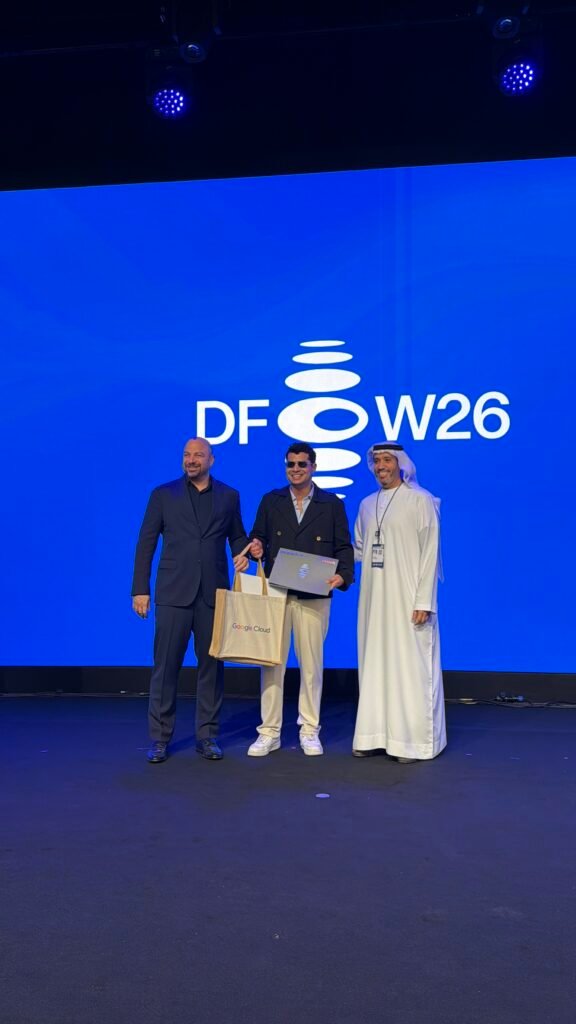
As artificial intelligence continues to reshape the global digital economy, the next generation of innovators will be defined not only by the tools they use, but by the ideas they bring to life.
At Dubai Future Week, Ayushman Pandita offered a compelling example of that potential, representing India with creativity, determination and the confidence to compete on a global stage.