With sanctions lifted, Binance opens access to crypto services in Syria amid a wave of reconstruction, foreign investment, and IMF support.
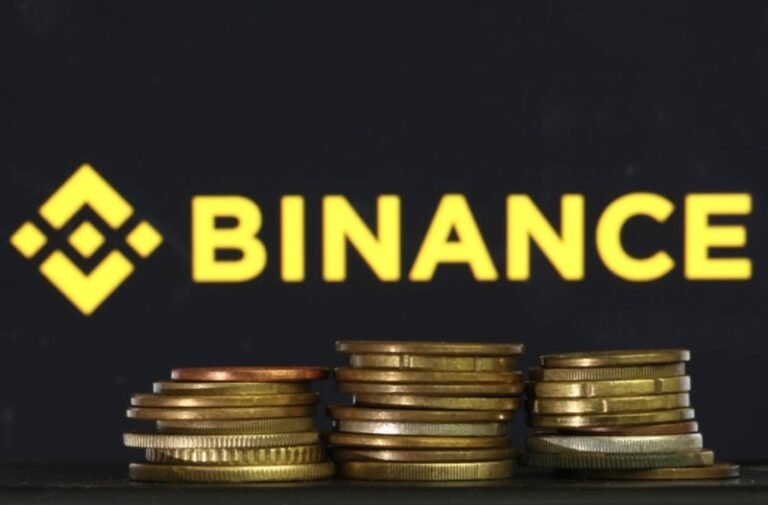
After more than a decade of economic isolation, Syria is re-entering the global financial landscape with a historic wave of developments—led by the launch of cryptocurrency services by Binance, the world’s largest digital asset exchange by trading volume. This bold move follows the U.S. government’s decision to lift long-standing sanctions on Syria, signaling a transformative chapter for the war-torn country.
Binance Ushers Syria into the Digital Economy
Binance, which holds 21 regulatory licenses globally, announced its full suite of services will now be available to Syrian users. These include spot and futures trading, staking, stablecoin support, and Binance Pay—an essential tool for cross-border remittances, a financial lifeline for millions of Syrians abroad.
“After years of exclusion, Syrians now have the chance to build, invest, and connect,” said Binance CEO Richard Teng. “This isn’t just about opening accounts; it’s about opening futures and horizons.”
To ensure secure access, Binance will roll out localized Arabic support and educational initiatives aimed at guiding Syrian users safely through the crypto ecosystem. With over 24 million residents and up to 15 million Syrians living overseas, the country ranked among the top 10 globally in crypto search interest in 2021—highlighting pent-up demand for digital financial solutions.
Global Institutions Rally Behind Syria’s Comeback
The momentum goes beyond digital finance. The International Monetary Fund (IMF) has signaled its willingness to re-engage with Syria for the first time in over a decade. On May 22, IMF Communications Director Julie Kozack confirmed the Fund’s readiness to provide targeted technical assistance to help Syria rebuild its economic institutions. This follows the last official IMF assessment of Syria back in 2009.
“Syria will need significant assistance to rebuild its economic institutions,” Kozack said. “We stand ready to provide advice and targeted, well-prioritized technical assistance in our areas of expertise.”
Massive Investment in Infrastructure and Energy
The reintegration into global markets has already catalyzed several major projects. A $7 billion energy investment plan, led by Qatar’s UCC Holdings, will significantly boost electricity generation capacity in Syria through the construction of four combined-cycle gas turbine plants and a solar facility. However, this development hinges on repairing Syria’s war-ravaged power grid—an effort requiring an estimated $5.5 billion.
“During that time, we may complete the grid rehabilitation,” said Energy Minister Mohammed Al Bashir, indicating that the full operation of the new plants could commence within three years.
Currency Revival and Symbolic Shifts
Another significant move involves Syria’s strategy to restore confidence in its national currency. According to sources familiar with the plan, Syria will now print its banknotes in the UAE and Germany, moving away from its traditional partner Russia. In a symbolic break from the past, redesigned notes will reportedly exclude the face of former President Bashar Al Assad.
Tartous Port Deal Reinforces Global Engagement
Reconstruction efforts are also taking shape at Syria’s vital coastal infrastructure. On May 16, Syria signed an $800 million memorandum of understanding with Dubai-based DP World to revamp the Tartous Port. The agreement includes plans for a multi-purpose terminal, industrial zone, and free trade area—marking the first major commercial port deal since sanctions were lifted.
DP World, a subsidiary of Dubai World, sees this as a long-term partnership to boost trade and logistical capacities in the region.
A Turning Point for Syria
From cryptocurrency access and power grid revitalization to currency reform and port development, these sweeping changes mark a rare convergence of financial innovation and global support. With Binance leading the way, Syria’s re-entry into the global financial ecosystem could offer millions of its citizens a renewed sense of possibility.
As Richard Teng put it, “This is about more than crypto—it’s about hope, inclusion, and rebuilding futures.”