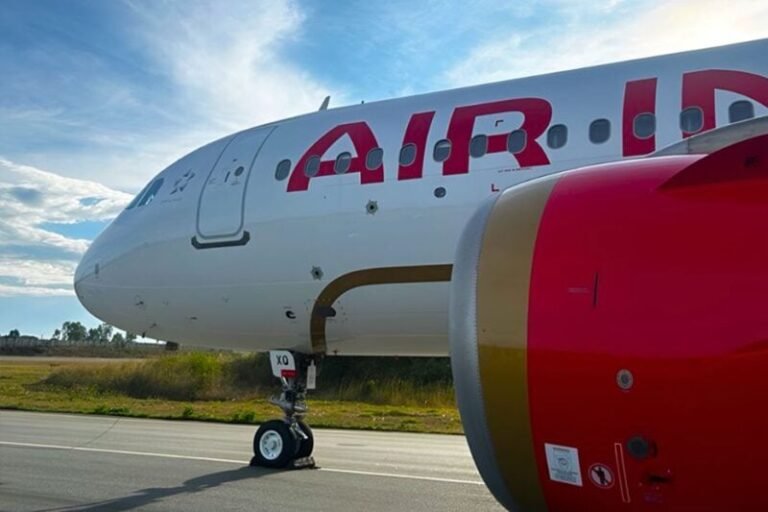
As the worst aviation disaster in a decade shakes global confidence, Air India’s aspirations of becoming a world-class airline face their most critical test.
Air India Crash: A Tragic Blow to a Skyward Dream
Air India’s bold ambitions to redefine itself as a global aviation leader took a devastating hit this week following the fatal crash of one of its Boeing 787 Dreamliners. The accident, which occurred on Thursday and left more than 240 people dead, marks the deadliest air disaster in a decade—and the first ever involving a Boeing Dreamliner wide-body aircraft.
The cause of the crash remains unknown. Indian authorities have launched a formal investigation, and the airline has yet to provide a definitive statement. While speculation grows, the tragedy poses a profound challenge to Air India’s recent narrative of rebirth and modernization under Tata Group ownership.
A Turbulent Past Meets a Painful Present
Since the Tata Group reacquired Air India in 2022, the airline has embarked on a comprehensive transformation plan to reverse the years of decline under government stewardship. CEO Campbell Wilson has spoken frequently of building a “world-class airline,” with new aircraft orders, international expansion, and operational reforms at the heart of the strategy.
However, Thursday’s crash has thrown a harsh spotlight on longstanding issues—aging fleets, inconsistent maintenance, and a reputation for unreliable service. The aircraft involved in the crash was 11 years old. According to India’s civil aviation ministry, nearly 43 of Air India’s 198 planes are more than 15 years old. Even the low-cost subsidiary, Air India Express, flies over 37% of its 101 aircraft past the 15-year mark.
“This will be a major setback for the brand in terms of safety perception,” said Dilip Cherian, communications consultant and co-founder of Perfect Relations. “The most important thing for an airline is its identity with safety.”
A Legacy Undermined
Air India was once synonymous with elegance and precision, with its maharajah mascot and aircraft known for luxury and attentive service—an identity established by its legendary founder, JRD Tata. Over time, financial struggles and mismanagement eroded this legacy. Business-class seats in disrepair, broken inflight systems, and persistent flight delays became commonplace.
Even as the airline began investing in its future—placing orders for 570 new jets and resuming wide-body international services—customer satisfaction remained elusive. In 2024, it was ranked the worst airline for delays in the UK, averaging departures nearly 46 minutes late, according to the Civil Aviation Authority.
“This is a difficult day for all of us at Air India,” said CEO Wilson in a video message following the crash. “Investigations will take time.”
A Crucial Moment for Indian Aviation
Just days before the tragedy, Prime Minister Narendra Modi had addressed hundreds of global airline executives in New Delhi, touting India’s booming aviation sector and the country’s emergence as a key player in global air travel. The crash now risks undercutting this momentum.
“This isn’t just a corporate crisis—it’s a national one,” said Vibhuti Deora, a former expert at the Aircraft Accident Investigation Bureau. “Air India must now prove that it’s not just modern in its branding, but in its safety and accountability.”
The airline had already reported a net loss of $520 million in FY 2023-24, and this tragedy could deepen both financial and reputational wounds. Despite partial ownership by Singapore Airlines and ambitious expansion, the road ahead has now become more uncertain than ever.
The Path Forward
For Air India, the weeks and months ahead will demand more than a marketing reset. Restoring confidence will require transparency in the investigation, accelerated fleet modernization, and a genuine commitment to safety and passenger experience.
While the airline has changed its website to a solemn black-and-grey scheme in memory of flight AI-171, stakeholders—from government regulators to everyday flyers—will now be watching closely to see whether the airline’s transformation is more than skin-deep.
The crash is not just a setback—it is a defining moment. Whether Air India can rise from this tragedy and fulfill its dream of world-class excellence remains to be seen.