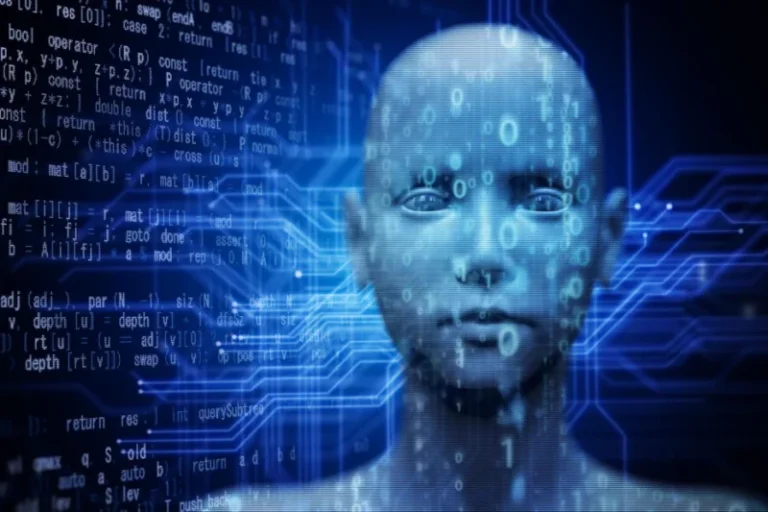
New Human–Machine Collaboration icons bring global transparency to AI-assisted research, design, and creative work across all formats and sectors
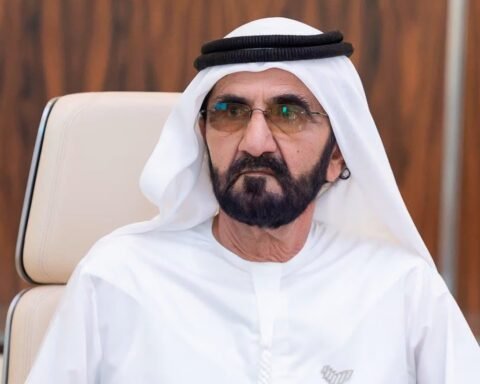
In a groundbreaking step toward digital transparency, Dubai has unveiled a global classification system to clearly identify the role of humans and intelligent machines in content creation. The innovative framework, called the Human–Machine Collaboration (HMC) classification system, was developed by the Dubai Future Foundation and approved by Sheikh Hamdan bin Mohammed bin Rashid Al Maktoum, Crown Prince of Dubai, Deputy Prime Minister, Minister of Defence of the UAE, and Chairman of the Foundation’s Board of Trustees.
The initiative arrives at a pivotal moment in the evolution of artificial intelligence, as the distinction between human and machine-generated content continues to blur.
“Distinguishing between human creativity and artificial intelligence has become a real challenge in light of today’s rapid technological advances,” said Sheikh Hamdan. “That’s why we launched the world’s first Human–Machine Collaboration Icons, a classification system that brings transparency to how research documents, publications, and content are created.”
He further called on researchers, writers, designers, and publishers around the world to adopt the system responsibly and ethically, ensuring its use contributes to the public good.
A Global Framework for Transparent AI Usage
The HMC classification system introduces a set of icons that clearly define the extent of human or machine involvement in the creation of content. Designed to promote transparency across research, academic, scientific, and creative work, the classification also addresses a growing demand for integrity in digital content.
The system consists of five main collaboration-level icons, each representing a different degree of human and machine interaction:
- All Human: No machine involvement in the creation process
- Human Led: Human-generated content that has been enhanced or reviewed by machines
- Machine Assisted: Iterative collaboration between humans and AI systems
- Machine Led: Machine-generated content that has been reviewed or guided by humans
- All Machine: Fully AI-generated with no human contribution
Complementing these are nine function-based icons, indicating the specific role AI played—such as ideation, data analysis, content generation, visuals, or design.
Cross-Sector Use and Government Adoption
The classification system is designed for versatile application across all formats, including images, videos, documents, and digital platforms. It encourages creators to self-identify the nature of collaboration involved, without requiring a quantitative percentage of machine use. This flexibility promotes wider adoption while maintaining accountability.
In a significant move, Sheikh Hamdan has directed all Dubai Government entities to begin implementing the HMC system in their research and knowledge-based work—positioning Dubai as a global pioneer in AI content governance.
According to the Dubai Future Foundation, this is not just a regulatory tool but a forward-thinking framework that aims to educate and empower audiences. By making the origins of content transparent, the system fosters trust and supports ethical innovation in the age of generative AI.
Setting a Global Precedent
The launch of the Human–Machine Collaboration classification system establishes Dubai as the first city in the world to introduce such a comprehensive and publicly accessible framework. It reflects the emirate’s leadership in shaping responsible technology ecosystems, while supporting innovation through structured, human-centric design.
This initiative is more than just symbolic—it is a practical, scalable solution to one of the most pressing digital challenges of our time. As AI continues to permeate industries and creative processes, Dubai’s move sets a precedent for governments, institutions, and creators worldwide to follow.
By promoting clarity in content origin and creation, Dubai is charting a responsible path forward for AI integration—one that values both technological advancement and human creativity.